Cold calling
Call Reluctance in Sales: A Practical Plan to Start Dialing
The short answer: Call reluctance improves when the next action becomes smaller and more predictable. Prepare one call reason, rehearse the opener, use a short timed block, and evaluate whether you completed the target behavior rather than whether every prospect converted.
Reluctance often looks like productive work: another round of research, a script rewrite, inbox cleanup, or waiting for a better time. The fix is a system that makes starting easier and recovery routine.
Pair this guide with How to Build a Sales Prospecting Call Plan, then use the practice plan below to rehearse.
Identify what you are avoiding
Some reps fear rejection. Others fear sounding unprepared, interrupting someone, or having no answer to an objection. Name the specific moment. A vague fear is difficult to train; a feared price question can be rehearsed.
Also inspect the task. Poor targeting, unclear messaging, and an unrealistic call target create rational reluctance. Training should improve a workable motion, not ask reps to ignore bad inputs.
Make the starting ritual automatic
Choose the list, call reason, and opener before the block. Set a modest duration, such as 15 or 20 minutes. Rehearse once and dial before editing. The ritual removes several decisions that otherwise become exits.
Begin with consistency before volume. Completing a focused block each day creates evidence that discomfort is manageable. Expand only when attention and call quality remain intact.
Train the reset between calls
After a rejection, record the useful fact in neutral language, take one slow breath, and begin the next call. If a skill failed, say the corrected line once aloud. Do not hold a full performance review between every dial.
Review patterns after the block. This separates learning from rumination and prevents one difficult prospect from deciding the tone of the next conversation.
Practice plan
Complete the first-five ritual
The purpose is to start with a stable behavior, not to force an outcome.
- Select five prospects before opening the dialer.
- Write one sentence for why each call is relevant.
- Say the opener once aloud.
- Make all five dials before changing the script.
- Mark one controllable behavior after each call.
- Review only after the fifth dial.
Frequently asked questions
What causes call reluctance?
Common causes include fear of rejection, insufficient preparation, perfectionism, concern about interrupting, poor targeting, and a lack of practiced responses.
How do I make myself start cold calling?
Prepare the list and opener in advance, set a short timed block, rehearse once, and dial before doing more research.
Is call reluctance the same as sales anxiety?
They overlap. Anxiety describes the emotional response, while call reluctance describes avoidance behavior. Repeated manageable exposure can help with both.
Turn the idea into a reflex
Read less. Rehearse more.
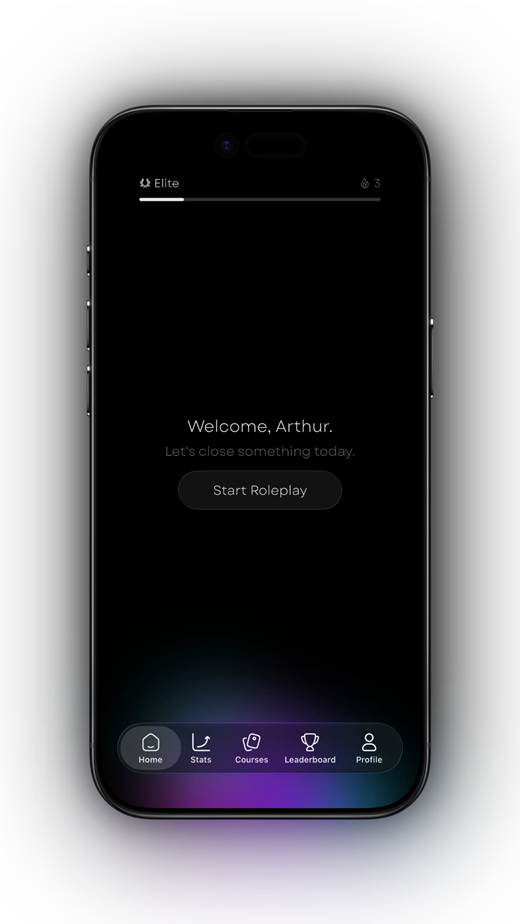
Put one idea from this guide into a spoken practice call. Salesy: AI Sales Roleplay brings lessons, AI voice prospects and post-call feedback to iPhone and iPad. Choose an available scenario and work on your next response.
Get Salesy on the App StoreFree to download. In-app purchases available.