Cold calling
Cold Call Follow-Up Email: Continue the Conversation Clearly
The short answer: A useful cold call follow-up email identifies the conversation, reflects the buyer's relevant context, delivers what you promised, and proposes one clear next action. Keep it brief enough to scan and do not invent urgency or familiarity.
The call earns context that a generic template throws away. A follow-up should make it obvious why the email exists and what the buyer can do with it.
Pair this guide with Cold Call Roleplay Scenarios for Realistic Prospecting Practice, then use the practice plan below to rehearse.
Anchor the email in the actual call
Use a subject line the buyer can recognize and open with the reason you are writing. Mention the problem, priority, question, or request in the buyer's language. Avoid “just checking in” when you can name the purpose.
If the buyer asked for information, send that information. A large brochure may be easier for the seller but harder for the buyer. Select the relevant page, answer, example, or next step.
Use a short, visible structure
One practical structure is context, useful item, next action. Use short paragraphs or bullets when several details must be confirmed. State dates, owners, and links accurately.
Match the ask to the conversation. If the buyer agreed to a meeting, confirm its purpose. If they were unsure, ask a focused question or offer a low-effort action. If they declined, do not disguise another pitch as a confirmation.
Review for trust before sending
Check names, company, claims, attachments, links, dates, and recipients. Remove unsupported urgency, exaggerated familiarity, and internal notes. Follow applicable consent, privacy, and communication rules.
Practice by listening to or reading a fictional cold call, then writing the follow-up without a template. Compare whether another person can identify the context, promised item, and next action in under thirty seconds.
Practice plan
Write the three-part follow-up
Use a completed practice call and draft the email in five minutes.
- Write one sentence that identifies the call and buyer context.
- Deliver or link the exact information promised.
- Propose one next action that fits the conversation.
- Remove generic filler and unsupported urgency.
- Check names, facts, links, dates, recipients, and compliance requirements.
Frequently asked questions
When should I send a follow-up email after a cold call?
Send promised information promptly while the conversation is recognizable, following your organization's workflow and the timing agreed with the buyer.
How long should a cold call follow-up email be?
Make it as long as needed to deliver the relevant information and next action, but short enough that the buyer can understand the purpose quickly.
What if the prospect said to send an email only to end the call?
Respect the request, send a concise relevant note if appropriate, and avoid a long sequence of pressure-based follow-ups.
Turn the idea into a reflex
Read less. Rehearse more.
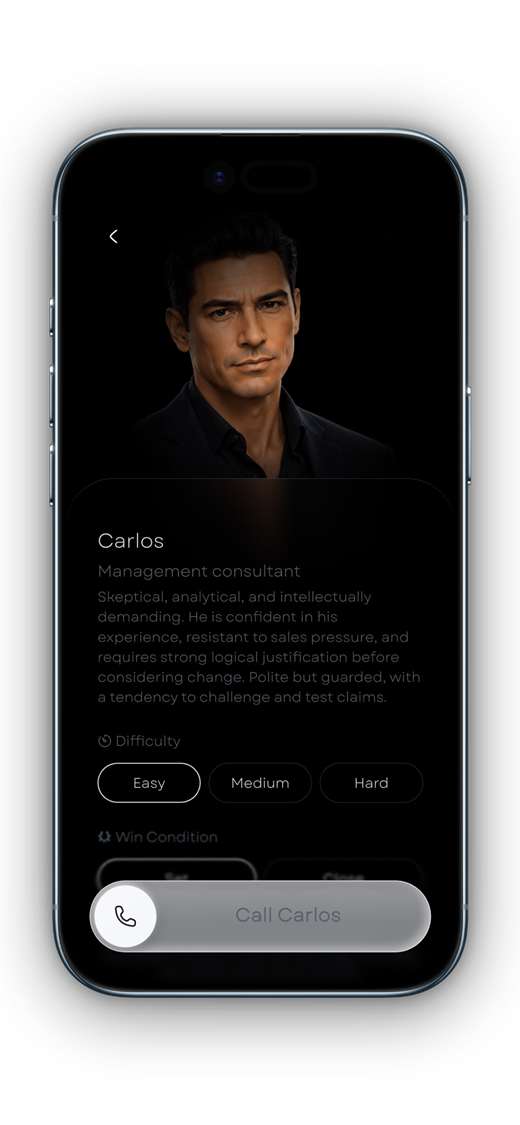
Put one idea from this guide into a spoken practice call. Salesy: AI Sales Roleplay brings lessons, AI voice prospects and post-call feedback to iPhone and iPad. Choose an available scenario and work on your next response.
Get Salesy on the App StoreFree to download. In-app purchases available.