Objection handling
Objection Handling Practice: Drills for Calm, Useful Responses
The short answer: Good objection handling practice varies the reason behind the same words, requires the rep to acknowledge and clarify, and includes outcomes where the concern is valid or the buyer chooses not to continue. Review diagnosis before judging the rebuttal.
Memorizing one response for each objection assumes the words always mean the same thing. In reality, “too expensive” can describe budget, comparison, uncertainty, timing, or a polite attempt to end the conversation.
Pair this guide with AI Objection Handling Training: Practice the Concern, Not a Rebuttal, then use the practice plan below to rehearse.
Vary the reason behind the objection
Give the roleplay buyer a private reason. For price, use a fixed budget in one round, a cheaper alternative in another, and unclear value in a third. Keep the spoken objection identical so the rep must ask rather than guess.
Include a firm boundary and a no-fit situation. The rep should learn when clarification is welcome and when respect requires ending the attempt. Objection handling is not permission to ignore a clear refusal.
Practice acknowledge, clarify, respond, and check
Acknowledge the concern without pretending to agree with facts you do not know. Ask a concise question that helps distinguish the reason. Respond to the actual answer using approved information, then check whether the concern changed.
The sequence is a guide, not a script. Some buyers explain the concern fully without another question. Some requests require a follow-up later. The rep's job is to understand and respond appropriately.
Score diagnosis and judgment
Review whether the rep listened through the objection, stayed calm, avoided an early rebuttal, identified the real concern, and chose a proportionate response. Note the buyer line and rep line that support each judgment.
Replay the same objection with a different hidden reason. If the rep repeats the same answer, pause and ask what evidence supports it. The exercise builds flexibility when the rep must respond to meaning rather than keywords.
Practice plan
Run the same-words, different-reason drill
Use one objection with three private buyer motives.
- Round one: a genuine budget limit.
- Round two: comparison with a cheaper alternative.
- Round three: uncertainty about the value.
- Require acknowledgment and diagnosis before a response.
- End with one firm no and practice a respectful exit.
Frequently asked questions
What is the best way to practice sales objections?
Use realistic buyer motives, speak responses out loud, review whether you diagnosed the concern, and repeat the scenario with a different reason behind the same words.
How many objections should I practice at once?
Focus on one or two common objections per session. Varying the reason behind them usually creates more learning than rushing through a long list.
Should every objection be overcome?
No. Some concerns are valid constraints and some buyers are not a fit. Practice professional exits as well as responses.
Turn the idea into a reflex
Read less. Rehearse more.
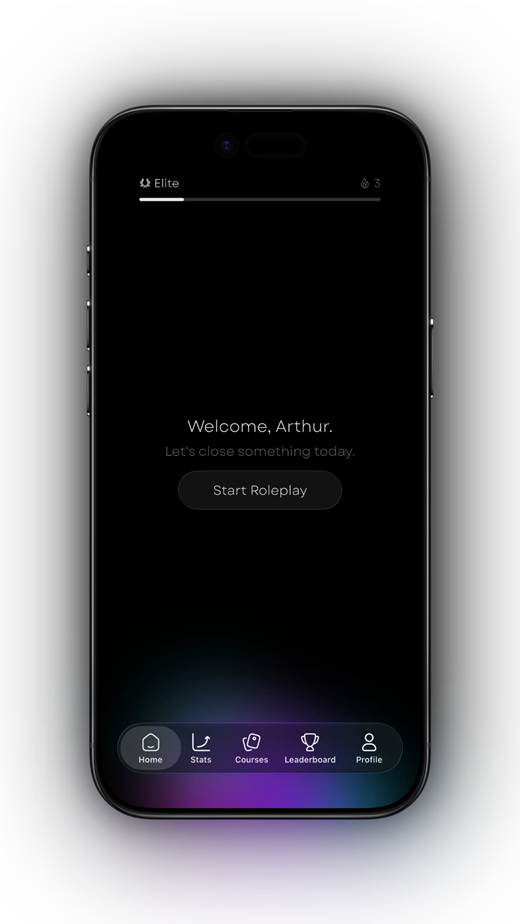
Put one idea from this guide into a spoken practice call. Salesy: AI Sales Roleplay brings lessons, AI voice prospects and post-call feedback to iPhone and iPad. Choose an available scenario and work on your next response.
Get Salesy on the App StoreFree to download. In-app purchases available.