Sales skills
Mirroring and Labeling in Sales: Use the Techniques Naturally
The short answer: In sales, a mirror repeats a short meaningful phrase to invite elaboration, while a label names an apparent feeling, concern, or dynamic and leaves room for correction. Both work best when they support genuine listening rather than appear after every sentence.
These techniques are simple enough to misuse. A mirror can sound like an echo, and a label can sound presumptuous. The skill is choosing a moment where the technique helps the buyer explain something important.
Pair this guide with How to Use Silence on a Sales Call Without Making It Awkward, then use the practice plan below to rehearse.
Use a mirror to explore a meaningful phrase
If a buyer says, “The handoff is where everything slows down,” you might ask, “The handoff?” with calm curiosity. The short prompt invites them to decide what matters about that phrase. It is not a substitute for a complete follow-up question.
Mirror words that carry ambiguity, importance, or emotion. Do not repeat obvious facts or the end of every answer. If the buyer has already explained the point, summarize or move forward.
Use a label as a tentative observation
A label might sound like, “It sounds as though the implementation risk matters more than the license price.” The phrasing is tentative and specific. Pause after the label so the buyer can confirm, refine, or reject it.
Avoid diagnosing emotions or motives you cannot know. “You are afraid of change” is a judgment. “It sounds like the team wants more certainty about the rollout” stays closer to the evidence and the business conversation.
Combine the techniques with summaries and questions
A natural sequence may include one mirror, a label after the buyer elaborates, then a direct question. The techniques should reduce the amount of guessing, not decorate a script.
Review a recorded practice call and mark every mirror or label. Remove any that did not produce new information, correction, or clarity. The remaining moments reveal where the technique actually helped.
Practice plan
Run the one-mirror, one-label drill
Limit the techniques so you must choose useful moments.
- Give the buyer a vague but meaningful concern.
- Use one short mirror to invite elaboration.
- Listen without preparing the label early.
- Offer one tentative label and pause.
- Ask a direct follow-up based on the buyer's correction or confirmation.
Frequently asked questions
What is mirroring in sales?
Mirroring repeats a short, meaningful phrase from the buyer with curious delivery to invite them to elaborate.
What is labeling in sales?
Labeling tentatively names an apparent concern, feeling, or dynamic so the buyer can confirm or correct your understanding.
Can mirroring sound manipulative?
Yes, especially when used mechanically. Use it sparingly and only when you genuinely want to understand the phrase better.
Turn the idea into a reflex
Read less. Rehearse more.
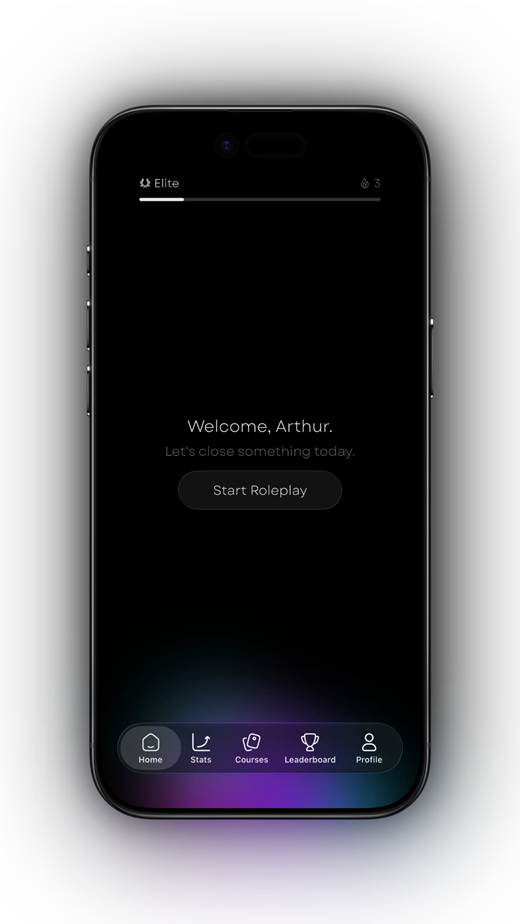
Put one idea from this guide into a spoken practice call. Salesy: AI Sales Roleplay brings lessons, AI voice prospects and post-call feedback to iPhone and iPad. Choose an available scenario and work on your next response.
Get Salesy on the App StoreFree to download. In-app purchases available.